

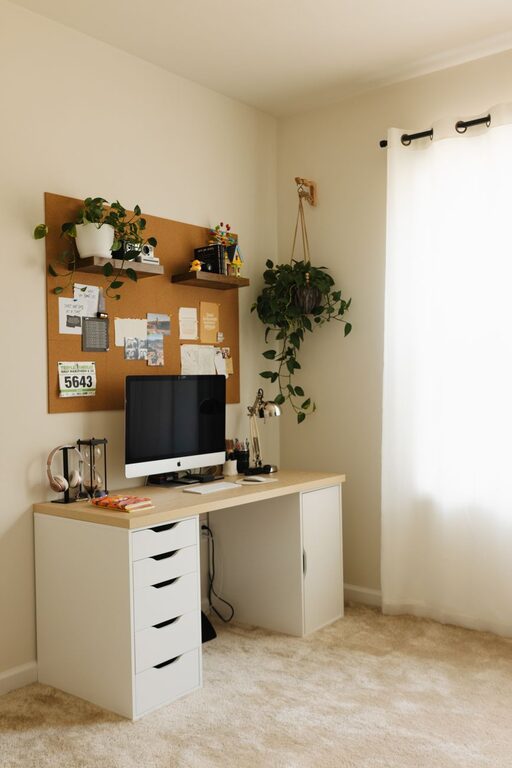
Creating a productive home office environment can transform your work-from-home experience. Whether you’re new to remote work or looking to improve your current setup, optimizing your space helps increase focus, comfort, and efficiency. This guide offers practical tips to help you design an inspiring workspace that suits your needs.
Choose the Right Location
The first step to a productive home office is selecting an ideal location. Consider these factors:
– Quiet area: Select a spot away from high-traffic areas and noise to reduce distractions.
– Natural light: Set up near a window if possible to benefit from daylight, which can improve mood and energy.
– Space availability: Choose a space large enough for your essential furniture and equipment without feeling cramped.
Even a small nook can be transformed into a great workspace if arranged thoughtfully.
Invest in Comfortable and Functional Furniture
Your office furniture significantly impacts productivity.
– Ergonomic chair: A supportive chair helps maintain good posture and prevents back pain during long work hours.
– Desk space: Opt for a desk large enough to hold your computer, keyboard, and additional items like notebooks or a lamp.
– Adjustable setups: Height-adjustable desks or monitor stands can help you maintain a comfortable ergonomics setup.
Comfort encourages you to stay focused longer and work more efficiently.
Optimize Lighting
Good lighting reduces eye strain and keeps you alert throughout the day.
– Natural light maximization: Position your desk to take advantage of natural light without generating screen glare.
– Task lighting: Add a desk lamp with adjustable brightness for detailed work during darker hours.
– Avoid harsh overhead lights: Choose soft, diffused lighting to create a calm atmosphere.
Proper lighting can help regulate your body clock and keep you productive.
Organize and Declutter
A tidy workspace promotes clearer thinking.
– Use storage solutions: Shelves, drawers, and organizers keep supplies within easy reach but out of sight.
– Keep the desktop clean: Only keep items you use daily on your desk to reduce clutter.
– Digital organization: Manage your files and emails systematically to avoid digital clutter.
Regularly declutter to maintain a focused workspace and reduce stress.
Minimize Distractions
Eliminating distractions helps you concentrate on tasks.
– Set boundaries: Inform family or housemates of your work hours for fewer interruptions.
– Turn off notifications: Silence non-essential phone and computer notifications during focus periods.
– Use noise-cancelling headphones: These can help block out household noise, making it easier to concentrate.
Having clear rules and tools to limit distractions improves work quality.
Personalize Your Space
Adding personal touches makes your home office inviting and motivating.
– Plants: Indoor plants can boost mood and air quality.
– Artwork or photos: Visuals that inspire or relax you can make the space feel welcoming.
– Colors: Use calming or energizing colors based on your preferences to enhance your mood.
Personalization helps create a workspace where you feel comfortable and motivated.
Establish a Routine
A productive office comes with a productive schedule.
– Consistent hours: Set regular start and end times to distinguish work from personal life.
– Scheduled breaks: Take short breaks to rest your eyes and stretch your body.
– Start-of-day rituals: Simple habits like making coffee or reviewing your to-do list signal the start of work.
A routine supports focus and helps maintain work-life balance.
Use Technology Wisely
Leverage technology to streamline your workflow.
– Reliable internet: Ensure your connection is fast and stable to avoid disruptions.
– Productivity tools: Apps for task management, time tracking, and communication can keep you organized.
– Backup solutions: Regularly save your work to cloud storage or external drives.
Technology should simplify your tasks, not overwhelm you.
Promote Good Air Quality and Comfort
Physical comfort affects productivity more than most realize.
– Ventilation: Keep your workspace well-ventilated with fresh air to maintain alertness.
– Temperature control: Adjust heating or cooling to a comfortable level.
– Hydration: Keep water nearby to stay hydrated throughout the day.
A comfortable environment helps sustain energy and focus.
—
Creating a productive home office is a blend of selecting the right space, organizing thoughtfully, and incorporating habits that enhance your workflow. By applying these tips, you can build a home workspace that supports both your professional goals and personal well-being.