

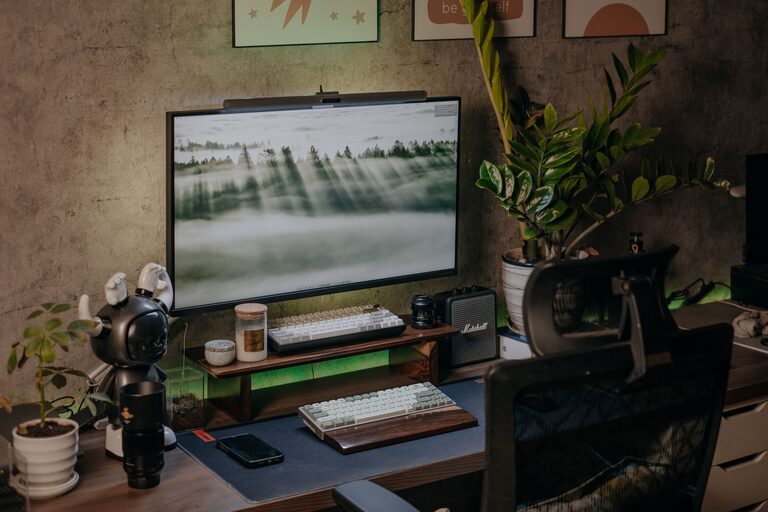
Creating a home workspace that promotes relaxation while boosting productivity is essential for many people working remotely or managing projects from home. A well-designed workspace not only helps you stay organized but also reduces stress and keeps you motivated. Here are practical tips to help you create a comfortable, inviting environment where you can do your best work.
Choose the Right Location
The first step in setting up a productive workspace is selecting the best spot in your home.
– Pick a quiet area: Choose a place with minimal distractions and noise. This could be a spare room or a quiet corner of a living room.
– Natural light: Whenever possible, position your desk near a window. Natural light can improve your mood and reduce eye strain.
– Separate work from leisure: If space allows, create a dedicated work zone separate from areas where you relax or sleep. This helps your brain associate this spot with focus and productivity.
Invest in Ergonomic Furniture
Comfort is key when spending long hours working.
– Quality chair: Invest in an ergonomic chair that supports your lower back and promotes good posture.
– Desk height: Choose a desk at the right height to avoid strain on your wrists and shoulders.
– Adjustable options: Consider adjustable desks or monitor stands to change positions during the day, alternating between sitting and standing.
Keep Your Workspace Organized
An organized space can help clear your mind and improve efficiency.
– Declutter regularly: Remove unnecessary items from your desk to keep it tidy.
– Use storage solutions: Bins, shelves, and drawer organizers keep papers and supplies neatly contained.
– Digital organization: Organize your files and emails using folders and labels to avoid wasting time searching.
Personalize Your Space
Adding touches that make you feel calm and inspired will improve your work experience.
– Plants: Small indoor plants can purify the air and add a natural, soothing vibe.
– Artwork and photos: Decorate with images or objects that bring you joy without causing distraction.
– Soft lighting: Use desk lamps or string lights for softer illumination that feels relaxing.
Manage Noise and Distractions
Creating a quiet environment helps you maintain concentration.
– Noise-cancelling headphones: These can be helpful if you cannot control background noise.
– White noise or nature sounds: Background sounds like rainfall or ocean waves can mask disruptive noises and enhance focus.
– Set boundaries: Communicate your work schedule to household members to minimize interruptions.
Optimize Technology Setup
Having the right tools readily accessible streamlines your workflow.
– Reliable internet connection: Ensure a stable connection to avoid frustrating interruptions.
– Organized cables: Use clips or ties to keep cords from tangling and cluttering your desk.
– Dual monitors or large screen: If your work involves multiple applications, an expanded screen space can increase productivity.
Incorporate Movement Breaks
Sitting for hours can reduce energy and focus.
– Set reminders: Use timers or apps to prompt you to stretch or walk briefly every hour.
– Desk exercises: Simple stretches or light movements at your desk help reduce tension.
– Change posture: Alternate between sitting and standing if possible to improve circulation.
Keep Hydrated and Snack Smart
Your physical comfort supports mental alertness.
– Water nearby: Keep a water bottle within reach and take regular sips.
– Healthy snacks: Choose nutritious options like fruits, nuts, or yogurt to maintain energy without crashes.
Use Calming Scents
Scent can influence mood and productivity.
– Essential oils: Lavender, chamomile, or eucalyptus are known for their relaxing properties.
– Diffusers or candles: Use thoughtfully to avoid overpowering scents that may dissipate focus.
Maintain a Consistent Routine
Consistency promotes a sense of control and prepares your mind for work.
– Set working hours: Define when your workday starts and ends.
– Morning rituals: Begin with a routine that signals it’s time to focus, such as a cup of tea or a short meditation.
– Regular breaks: Plan brief breaks to rest your eyes and recharge.
—
Designing a relaxing home workspace is a blend of comfort, organization, and personal preference. By following these practical tips, you can create an environment that supports your productivity and wellbeing. Remember to keep experimenting to find what works best for you—your ideal workspace is one where you feel focused, relaxed, and ready to tackle the day’s tasks.