

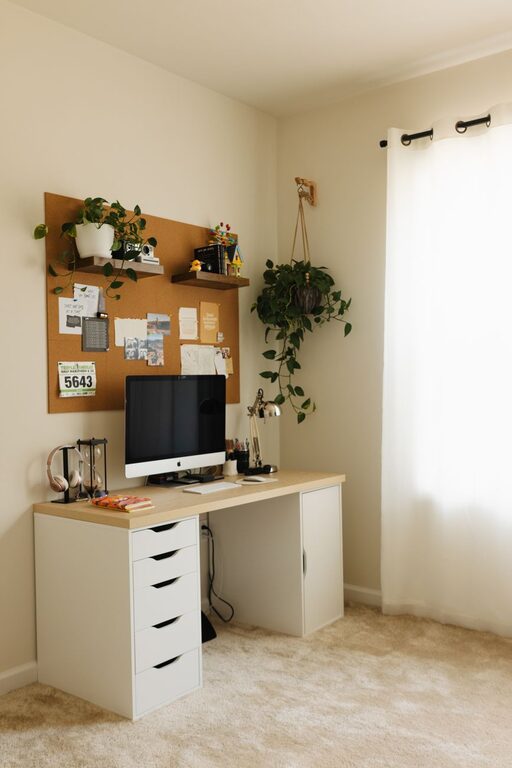
Creating a relaxing home office space is important for maintaining focus, reducing stress, and boosting productivity. Whether you work from home full-time or spend a few hours each day at your desk, a thoughtfully arranged workspace can make all the difference. Here are some practical tips to help you design a home office that feels calm, inviting, and conducive to getting work done.
Choose a Quiet and Comfortable Location
Where you place your home office is the foundation of a relaxing workspace. Try to pick a spot that is quiet and away from high-traffic areas in your home. This helps minimize distractions and allows you to concentrate better.
If space is limited, consider using room dividers or screens to create a visual boundary, helping your brain switch into work mode. Having a door you can close is ideal but not always possible, so try noise-canceling headphones if you’re in a noisier environment.
Invest in Ergonomic Furniture
Comfort is key when you spend several hours at a desk every day. An ergonomic chair that supports your back and encourages good posture can prevent pain and discomfort.
Your desk should be at a height where your forearms are parallel to the ground while typing, and your feet rest flat on the floor or on a footrest. Adjustable desks, including sit-stand options, can help you shift positions throughout the day for better circulation and energy.
Prioritize Good Lighting
Lighting has a huge impact on how comfortable and inviting your home office feels. Natural light is the best option—position your desk near a window to soak in daylight whenever possible.
Avoid harsh overhead lighting that can cause glare or eyestrain. Instead, use adjustable desk lamps with soft, warm bulbs for task lighting. If natural light is limited, full-spectrum light bulbs can mimic daylight and improve your mood.
Keep Your Space Organized and Clutter-Free
A cluttered desk can lead to a cluttered mind. Keep your home office tidy by using storage solutions like shelves, filing cabinets, or desk organizers to keep supplies out of sight but within reach.
Create a regular routine to clear paperwork and unused items. Using digital files instead of printed documents can also reduce physical clutter. Minimalism helps your brain focus and reduces visual distractions.
Incorporate Calming Colors and Decor
The colors and decor in your workspace can influence your mood significantly. Soft, neutral tones like light blues, greens, or grays are known to be calming and help reduce stress.
Personalize your space with a few meaningful items, such as a favorite photo, a small plant, or artwork that inspires you. Plants, in particular, not only add a touch of nature but also improve air quality and create a soothing environment.
Reduce Noise Distractions
Even in a quiet location, unexpected noises can disrupt your concentration. Adding soft furnishings like rugs, curtains, and cushions can absorb sound and make the room feel warmer.
If ambient noise is unavoidable, consider using white noise machines or playing gentle background music to mask distractions. Noise-canceling headphones are also a great investment for blocking out sounds.
Manage Technology Effectively
Technology is essential for most home offices, but it can also create visual and mental clutter.
Organize cables using clips or sleeves to prevent a tangled mess. Use wireless devices when possible to reduce cords. Keep your computer desktop clear by organizing files into folders and closing unnecessary tabs.
Taking regular breaks from screens and setting boundaries around work hours can help reduce digital burnout.
Add Comfort Accessories
Small comfort items can make a big difference in how relaxed you feel at your desk. A cozy blanket, a supportive wrist rest, or a foot cushion can increase your physical ease throughout the day.
Use a water bottle or tea mug within reach to stay hydrated. Essential oil diffusers or scented candles (used safely) can also create a calming atmosphere—scents like lavender or eucalyptus are especially soothing.
Establish a Routine and Boundaries
Finally, a relaxing home office space is not just about physical surroundings but also about habits. Set regular work hours and take planned breaks to move, stretch, or relax.
Having a clear start and end to your workday helps you maintain balance and prevent burnout. Communicate your schedule to family or housemates so they respect your focus time.
—
Designing a home office that feels peaceful and energizing is attainable with a few thoughtful adjustments. By combining comfort, organization, calming elements, and technology management, you can create a workspace that supports your best work and wellbeing. Remember, your home office should reflect your needs and preferences, so feel free to experiment with these tips and make the space truly your own.